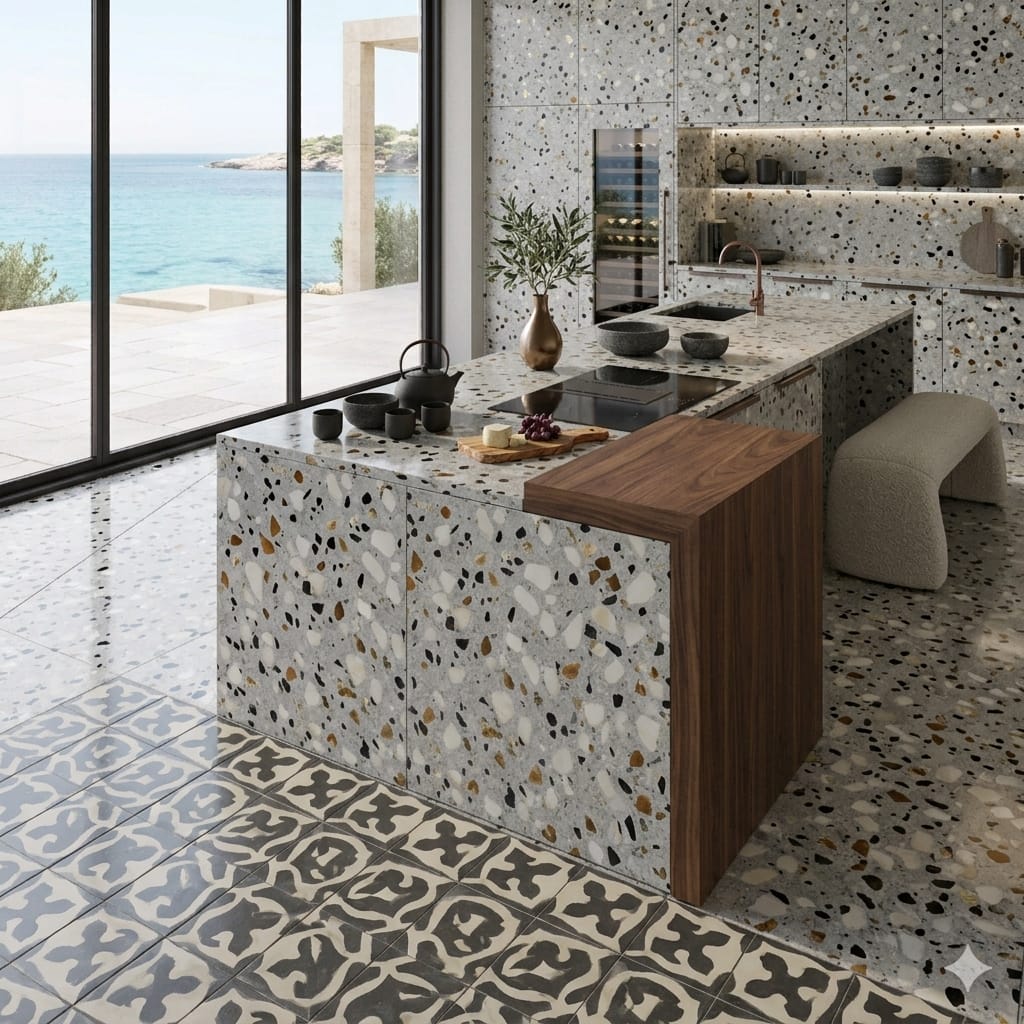

Choosing the best types of tiles for home flooring is one of the most important decisions you’ll make when designing or renovating your home. Flooring affects not only the overall appearance of your space but also its durability, maintenance requirements, comfort, and long-term value. With countless tile styles, materials, and finishes available today, selecting the right option can seem overwhelming.
Whether you’re renovating a living room, upgrading a bathroom, or designing a modern kitchen, understanding the differences between tile materials will help you invest wisely. Each type of tile has unique characteristics that make it more suitable for specific rooms and lifestyles. Before making your final decision, it’s worth exploring a wide range of Tiles to compare styles, finishes, and durability.
Porcelain Tiles – The Best All-Round Flooring Option
Porcelain tiles are widely regarded as the best overall choice for residential flooring because of their exceptional strength and durability. Manufactured at extremely high temperatures, they become denser and less porous than standard ceramic tiles, making them highly resistant to moisture, stains, and scratches.
This makes porcelain an excellent choice for busy households where flooring experiences constant daily use. Kitchens, living rooms, hallways, bathrooms, and even outdoor patios can all benefit from porcelain flooring.
One of the biggest reasons homeowners prefer porcelain is the enormous variety of available designs. Whether you prefer marble-look flooring, wood-effect tiles, concrete finishes, or natural stone textures, porcelain offers premium aesthetics with excellent performance.
If you’re planning to renovate multiple rooms, Porcelain Tiles provide one of the best long-term investments because of their durability and timeless appeal.
Ceramic Tiles – Affordable and Stylish
Ceramic tiles remain one of the most popular flooring choices because they offer an excellent balance between affordability and design flexibility. They are easier to manufacture than porcelain, making them a cost-effective solution for homeowners working within a budget.
Despite their lower price, ceramic tiles are available in thousands of colors, patterns, textures, and finishes. They perform exceptionally well in bedrooms, dining rooms, living spaces, and kitchens with moderate foot traffic.
For homeowners looking for attractive flooring without exceeding their renovation budget, https://momina.sktscw.store/ offer outstanding value while requiring very little maintenance.
Marble Tiles – Luxury That Never Goes Out of Style
Marble flooring has always been associated with elegance and sophistication. Every marble tile features unique natural veining, ensuring that no two floors look exactly alike. This exclusivity makes marble one of the most desirable flooring materials for luxury homes.
Although marble requires periodic sealing and more maintenance than porcelain or ceramic, many homeowners consider it worthwhile because of its timeless beauty and ability to increase property value.
Marble flooring works particularly well in grand entrance halls, living rooms, and premium interior spaces where aesthetics take priority.
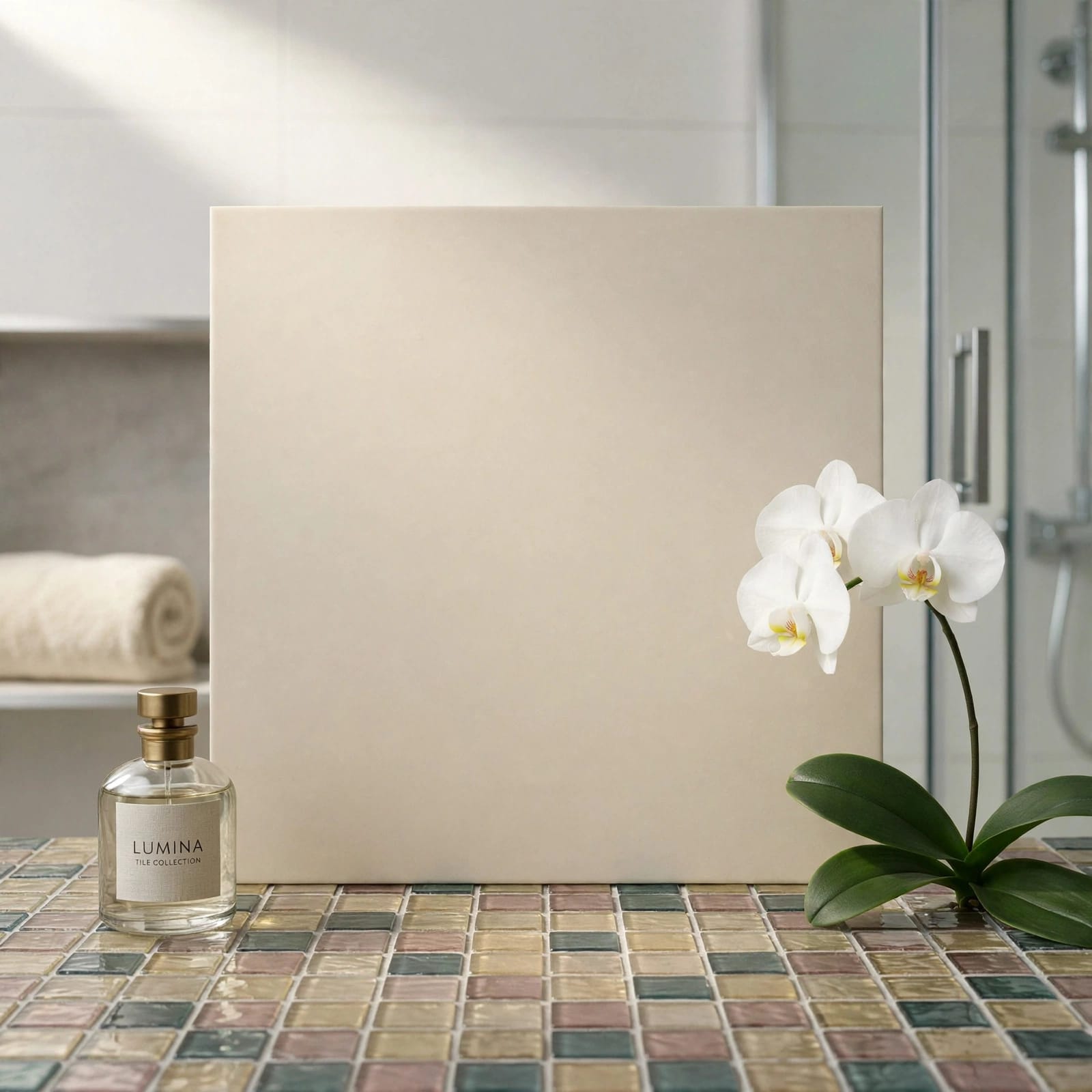
Bathroom Tiles
Choosing the right bathroom tiles is one of the most important steps in creating a bathroom that is both stylish and functional. Bathroom tiles not only enhance the overall appearance of the space but also protect walls and floors from moisture, stains, and daily wear. With a wide variety of materials, colors, textures, and finishes available, selecting the perfect tiles can seem challenging. Whether you prefer a modern, classic, or luxurious design, investing in high-quality bathroom tiles ensures long-lasting durability and easy maintenance. In this guide, we’ll explore everything you need to know about choosing the best bathroom tiles for your home, from materials and designs to expert buying tips and maintenance advice.
When choosing bathroom tiles, it is important to think about the overall design of the room rather than selecting tiles individually. The floor, walls, fixtures, lighting, and accessories should complement each other. A well-planned combination of colors and textures can make even a small bathroom feel stylish and inviting.
Floor Tiles
Floor tiles are an essential part of every home, providing durability, comfort, and style for different living spaces. From living rooms and bedrooms to kitchens and hallways, the right floor tiles can enhance the beauty of your interiors while withstanding everyday use. Available in various materials such as ceramic, porcelain, and natural stone, floor tiles offer endless design possibilities to match any home décor. This guide will help you understand the different types of floor tiles, their benefits, and the key factors to consider before making your purchase.
Different rooms may also require different flooring characteristics. Living rooms and hallways often benefit from durable surfaces that can handle regular traffic. Bedrooms may offer more flexibility because they generally experience less foot traffic, while kitchens require flooring that can cope with spills and frequent cleaning. For outdoor areas, specially designed outdoor flooring should be selected according to the environmental conditions.
A good floor tile should therefore be selected based on more than appearance. Consider durability, maintenance, surface finish, room usage, tile size, and your overall interior style before making a final decision
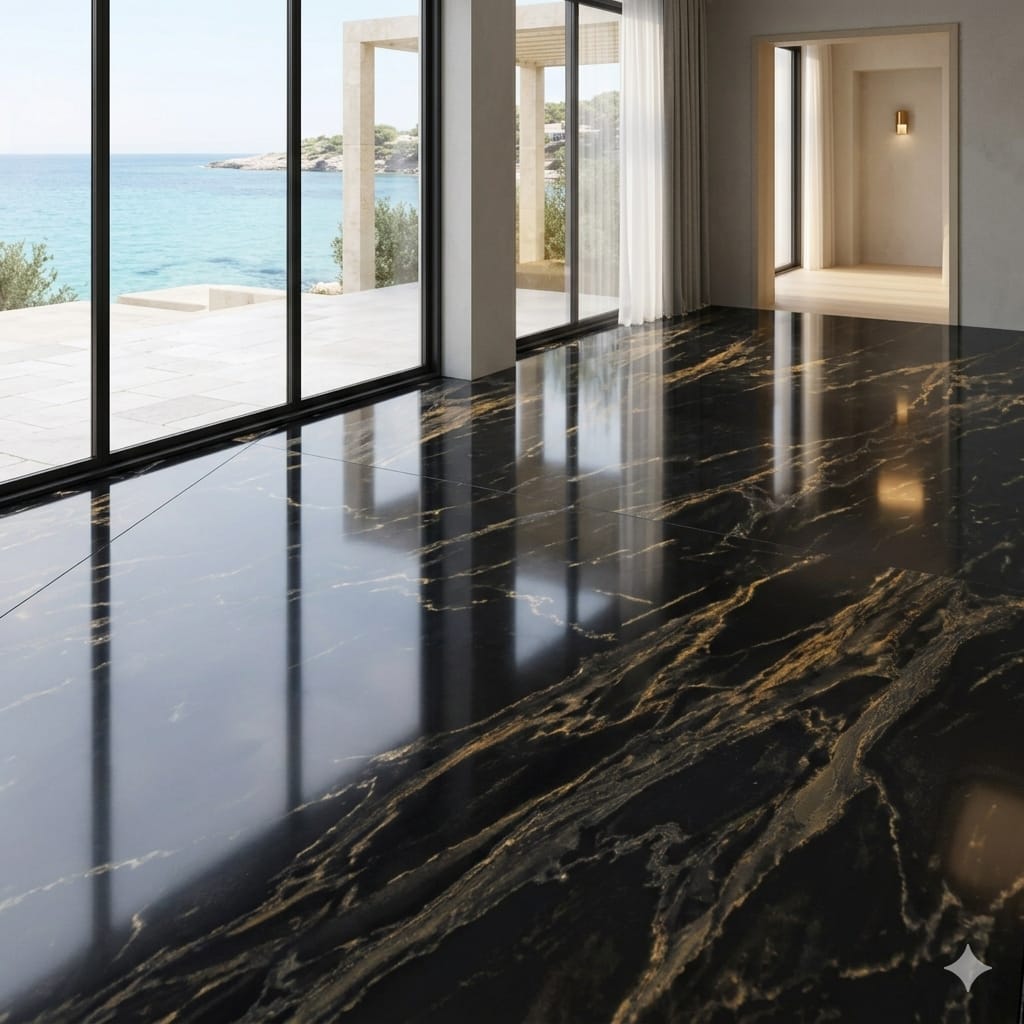
Kitchen Tiles
Kitchen tiles play a vital role in creating a space that is both beautiful and functional. Designed to withstand heat, moisture, and everyday cooking activities, high-quality kitchen tiles provide long-lasting performance while enhancing the overall look of your kitchen. Whether you’re selecting tiles for the floor, walls, or backsplash, choosing the right material and design can make your kitchen more practical and visually appealing. This guide explores the best kitchen tile options, popular styles, and expert tips to help you make the right choice.
The finish of the tile should also match the intended application. Easy-to-clean surfaces can be useful around cooking areas, while flooring should provide a suitable level of traction for everyday use. The grout color can also affect the final appearance, with matching grout creating a seamless look and contrasting grout emphasizing the tile pattern.
Whether you are renovating one room or updating your entire home, selecting quality tiles is an investment in both appearance and functionality. Exploring different materials, sizes, colors, patterns, and finishes before purchasing can help you find options that suit your space and personal style.